Key Signs of Damage and Wear to Check on Your Kitchen Cabinets
Regularly checking your kitchen cabinets for damage and wear can help them last longer, save you money on replacements, and keep them looking and working great. It’s important to know what signs of damage or wear to look for, such as problems with the surface, hardware, or the cabinets themselves. This guide will cover:
- Common damage signs and how to spot them
- Important areas to inspect for wear
- A simple checklist for checking cabinets yourself
- When to repair, refinish, or replace cabinets
- Ways to prevent future damage
Common Signs of Kitchen Cabinet Damage
Kitchen cabinets can be damaged in many ways, from water getting in to hardware breaking. Finding these problems early can stop hidden rot, prevent safety issues, and avoid more expensive repairs later. Here are the main types of damage to watch out for:
Identifying Water Damage on Kitchen Cabinets
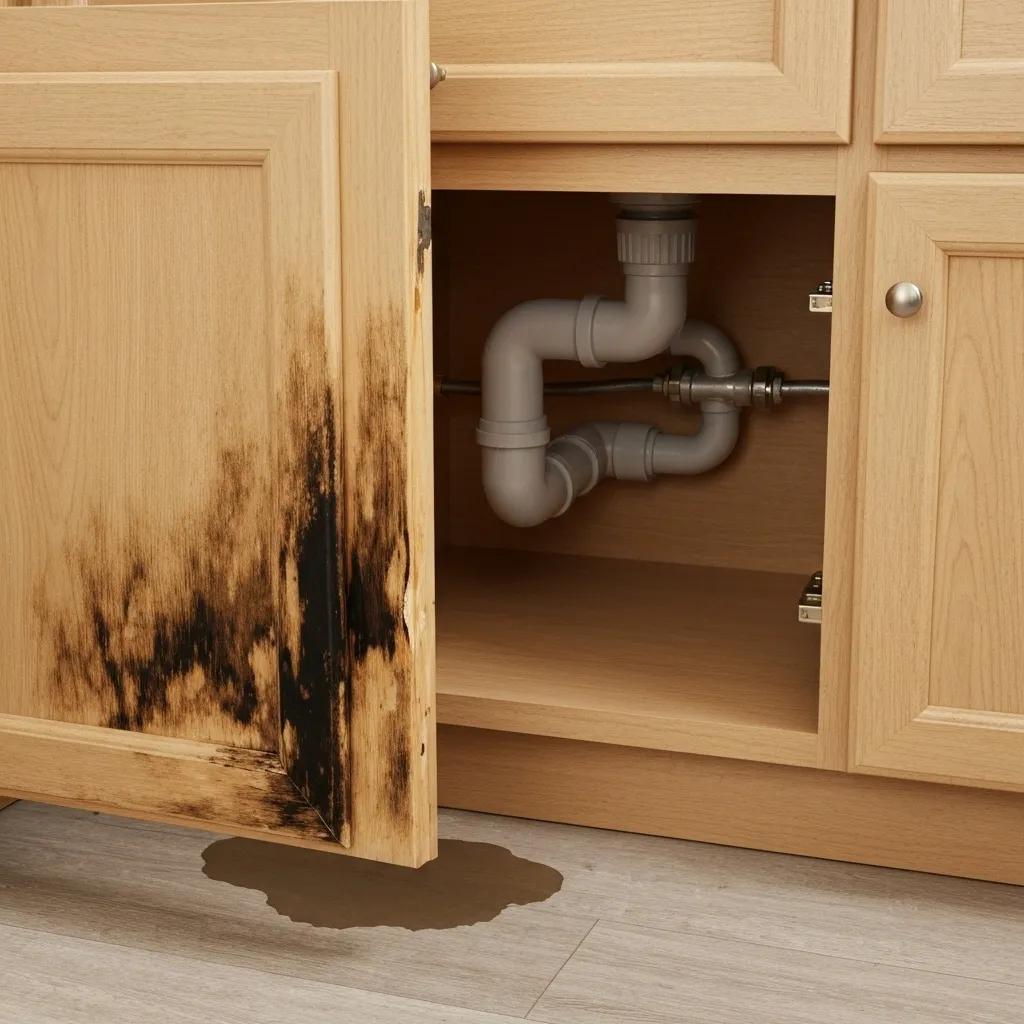
Water damage can make cabinet panels swell, turn dark, or feel soft. This means moisture is getting in, which can lead to mold and wood rot.
- Under the sink: Swelling can mean a leaky pipe.
- Near the dishwasher: Dark spots might be from condensation.
- Inside cabinets: Soft spots suggest long-term exposure to water.
Catching these signs early helps stop more damage and health risks from mold. This naturally leads to looking at the cabinet’s finish.
Signs of Peeling, Chipping, or Fading Cabinet Finish
When the protective coating on cabinets peels or chips, it’s often because of changes in humidity or rubbing against things. This makes them look bad and leaves the wood unprotected.
- Door edges: Paint might lift if doors are opened and closed a lot.
- Drawer fronts: Chipping on the surface could be from hitting it with utensils.
- The whole surface: Fading can happen from sunlight or cleaning products.
Noticing these signs means you might need to refinish or repaint the cabinets to make them look good and last longer.
How Loose or Broken Hinges Affect Cabinets
Loose or broken hinges can make cabinet doors crooked, create uneven gaps, squeak, or even swing open unexpectedly, which can be a safety risk.
- Hinge screws: If screws are loose, the door might sag.
- Hinge plates: Cracked plates mean the hinge isn’t attached securely.
- Hinges: Rust can make it hard for hinges to move smoothly.
Making sure the hardware is tight and working correctly helps cabinets open and close properly and prevents strain on other parts like drawers and frames.
Warped or Misaligned Cabinet Doors and Drawers
Warping and misalignment happen when wood absorbs and then loses moisture unevenly. This can cause doors and drawers to stick or not close all the way.
- Door gaps: Uneven spaces between doors can be caused by changes in humidity.
- Drawer tracks: Drawers might get stuck if the wood swells.
- Frame alignment: Twisted frames can make doors and drawers sit crooked.
Fixing small alignment problems early can prevent bigger structural issues that might require replacing the whole cabinet.
Key Areas to Inspect Regularly for Cabinet Wear
A thorough check involves looking at all parts of the cabinets—doors, drawers, hardware, and finishes—to catch wear before it gets worse. Here’s a systematic way to inspect:
- Cabinet Doors
- Drawers and Slides
- Hinges and Handles
- Surface Finishes
- Interior Shelves
Checking these areas in order makes sure you don’t miss anything and helps you prepare for a detailed inspection.
Why Cabinet Doors and Drawers Need Close Inspection
Doors and drawers get used every day and hold weight, so they are prone to mechanical stress that can lead to misalignment and wear.
- Door panels: They handle the stress of constant opening and closing.
- Drawer slides: Friction from the weight of items can wear them down.
- Face frames: These provide support and keep doors aligned.
Paying attention to these parts that get the most use can reveal problems that might affect other hardware.
Checking Cabinet Hinges and Handles for Wear
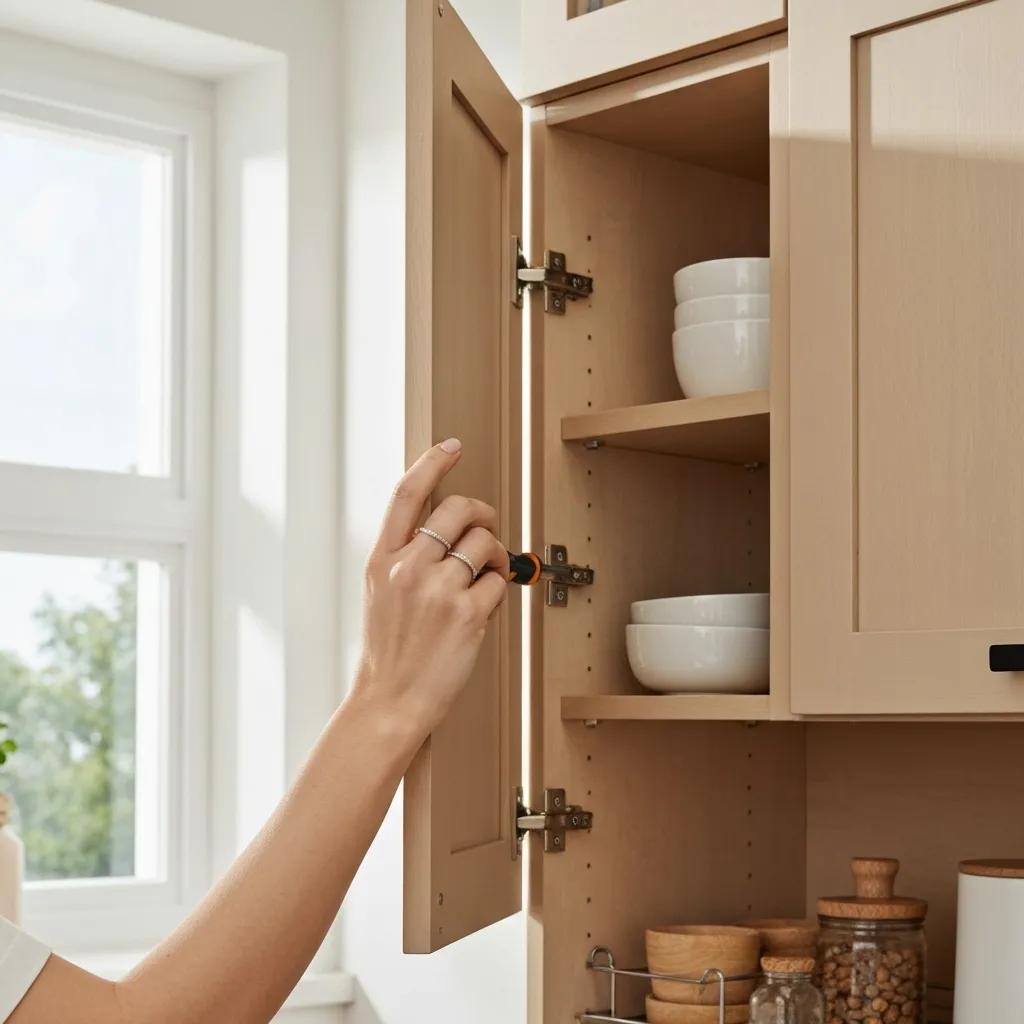
Hinges and handles experience twisting and rubbing, which can loosen screws, chip finishes, and cause rust. Checking them regularly keeps cabinets working smoothly.
- Screw tightness: Make sure screws are tight and reinforce them if needed.
- Metal condition: Look for rust and apply lubricant if necessary.
- Movement: Open and close doors to see if they move smoothly; replace worn parts.
Keeping these small but important parts in good shape ensures the whole cabinet works reliably.
Using a DIY Checklist to Spot Cabinet Damage Early
A structured checklist helps you systematically check every part of your cabinets for wear and damage. Using a list like this reduces the chance of missing something and leads to timely maintenance.
Steps for a Cabinet Wear and Damage Checklist
- Check if doors are aligned by closing them and looking at the gaps.
- Tighten or replace any loose screws on hinges and handles.
- Look for cracks, peeling, or fading on the cabinet finish.
- Test drawer slides to make sure they open and close smoothly.
- Check inside shelves for any sagging or warping.
Following these steps can prevent small issues from becoming big problems and help you decide when you might need professional help.
What to Include in a Cabinet Wear and Damage Checklist
A complete checklist should cover both the outside and inside of the cabinets in a logical order to ensure no damage is missed.
- Door function: Check alignment by closing the door.
- Hardware condition: Test how tight hinges and handles are and check for rust.
- Surface condition: Examine the finish for any damage or wear.
- Interior structure: Check shelves for strength and look for water stains.
- Drawer performance: Ensure drawers slide smoothly and handles are secure.
This organized approach helps you assess your cabinets thoroughly and know when it’s time to call a professional.
When to Get Professional Help After Your DIY Inspection
If your cabinets show significant rot, mold, cracks, or if hinges keep failing, it’s best to call experts. They have the right tools and materials for lasting repairs or refinishing. For example, a professional cabinet painting service can fix peeling or faded finishes with durable coatings.
Knowing when a problem is beyond a simple DIY fix is key to making the right decision about repair versus replacement.
Repair, Refinish, or Replace Cabinets Based on Damage
Choosing the best solution depends on how much damage there is, your budget, and what you want the final result to be. Here’s a comparison to help you decide:
| Option | Best For | Benefits |
|---|---|---|
| Repair | Small cracks, loose hardware | Quick fixes, low cost |
| Refinishing | Peeling finish, minor surface damage | Makes cabinets look new again |
| Replacement | Major rot, severe warping, broken structure | Long-term solution, consistent look |
When Cabinet Repair is Better Than Replacement
Minor issues like loose hardware, small cracks in the veneer, or small spots of discoloration can usually be repaired. However, if there’s widespread water rot, the cabinet structure is falling apart, or there’s damage from pests, it’s usually better to replace the cabinets entirely. Knowing this difference helps you avoid spending too much on temporary fixes.
How Refinishing Fixes Common Wear Issues Like Peeling Finish
Refinishing involves sanding down the old finish, applying a primer, and then adding a new, durable coat of paint or stain. This process seals the wood, prevents further chipping, and makes your kitchen look much better.
How Regular Inspection and Maintenance Prevent Cabinet Damage
Taking steps like cleaning, lubricating, and protecting your cabinets can stop wear from getting worse, make them last longer, and reduce the need for emergency repairs. Important maintenance tasks include:
- Cleaning gently with mild soap and water.
- Lubricating hinges regularly so they move smoothly.
- Controlling humidity in the kitchen to prevent wood from warping.
- Touching up small flaws in the finish as soon as you see them.
Making these habits part of your routine lowers the risk of damage and helps keep your cabinets strong for years.
Benefits of Early Damage Detection for Cabinet Lifespan
Finding small problems early stops them from turning into major structural issues. This can cut repair costs significantly and extend the life of your cabinets by fixing wear before it affects how they work.
Maintenance Practices to Avoid Common Cabinet Wear and Tear
Regularly wiping down cabinets, using good lubricants on moving parts, managing kitchen humidity, and touching up the finish protect the surfaces and hardware. This ensures your cabinets stay both attractive and fully functional.
Keeping your cabinets in top shape relies on consistent checks and timely care. Start today to protect your kitchen investment.
Maintaining your cabinets well is key to keeping them looking good and working properly for a long time. Begin your inspections and care routine today to protect your kitchen.